

رهبر خوب و رهبر بد؛ تفاوتی که سرنوشت یک ملت را رقم میزند

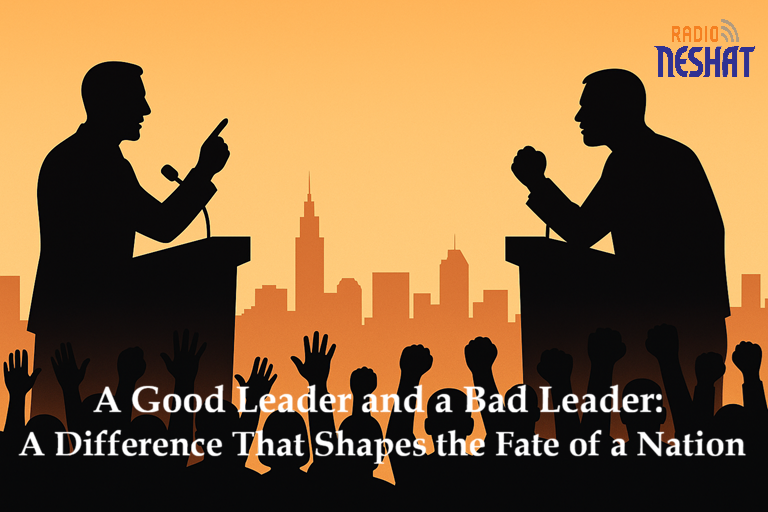
همه کشورها نفت، خاک، مردم و تاریخ دارند؛ اما چرا برخی قدرت میگیرند و برخی فرو میریزند؟ پاسخ را باید در جایگاه رهبری جستوجو کرد؛ جایی که یک تصمیم درست، ملت را بلند میکند و یک تصمیم غلط، نسلها را زمینگیر.
نویسنده: مسعود ظهوری- رادیو نشاط
رهبری فقط نشستن بر بالاترین صندلی قدرت نیست. رهبری یعنی جهت دادن به آینده یک ملت، ساختن امید یا ایجاد ترس، گشودن مسیر توسعه یا افتادن در چرخه عقبماندگی. تاریخ جهان سرشار از نمونههایی است که نشان میدهد تفاوت میان یک رهبر خوب و یک رهبر بد تنها در رفتار فردی خلاصه نمیشود؛ بلکه ثمره آن در اقتصاد، فرهنگ، علم، آزادی و حتی هویت نسلها نمایان میگردد.
رهبر خوب؛ سازنده، شنونده و آیندهنگر
رهبر خوب کسی است که قدرت را ابزار خدمت میداند نه امتیاز شخصی. او با مردم سخن میگوید، نقد را تحمل میکند و به جای ترس از رشد جامعه، آن را تشویق میکند. چنین رهبری شفاف عمل میکند، تصمیمها را بر اساس داده و تخصص میگیرد و برای منافع ملی، حاضر است حتی از محبوبیت خود هزینه کند.
ویژگیهای کلیدی یک رهبر خوب:
-
پاسخگو و شفاف
تصمیمها روشن است و مردم حق دارند بدانند چرا و چگونه. -
احترام به قانون و حقوق مردم
قانون بالاتر از فرد است و آزادی اندیشه تهدید محسوب نمیشود. -
تکیه بر دانش و مشورت
راهبردها بر اساس تحقیق، نظر کارشناسان و تجربه جهانی اتخاذ میشود. -
آیندهنگری و توسعه پایدار
تمرکز تنها بر امروز نیست؛ نسلهای بعد نیز حق زندگی بهتر دارند. -
اخلاق، تواضع و اعتمادسازی
رهبر خوب با مردم از موضع دوستی وارد میشود نه سلطه. -
ایجاد فرصت برابر
استعدادها را میبیند و امکان رشد را در عرصههای مختلف فراهم میکند.
رهبر بد؛ قدرتمحور، شخصمحور و ضد پیشرفت
رهبر بد در پی ساختن کشور نیست، در پی ساختن اسطورهای از خود است. او نقد را دشمنی میداند، آزادی بیان را محدود میکند و برای حفظ قدرت از ترس و سرکوب استفاده میشود. چنین رهبری تصمیمهایش احساسی، شخصی و کوتاهنگر است و منافع عمومی را قربانی منافع گروهی، قومی یا سیاسی میکند.
نشانههای یک رهبر بد:
-
وابستگی به تملق و دوری از حقیقت
اطرافیان تنها کسانی هستند که تایید میکنند نه کسانی که هشدار دهند. -
تضعیف نهادهای مستقل
رسانه، دادگاه و مجلس ابزار کنترل هستند نه نهاد نظارت. -
اقتصاد بیثبات و فساد ساختاری
رانت، روابط و انحصار جایگزین شایستهسالاری میشود. -
حذف مخالفان به جای گفتگو
امنیت جای خود را به ترس میدهد و مردم از آینده مطمئن نیستند. -
تمرکز قدرت به جای توزیع آن
هرچه قدرت متمرکزتر شود، احتمال اشتباههای بزرگتر بالاتر میرود.
رهبر خوب و بد در رفتار با همسایگان و ملتهای دیگر
رفتار یک رهبر تنها در مرزهای کشورش معنا پیدا نمیکند؛ نوع نگاه او به دیگر ملتها و همسایگان نیز آینده کشور را شکل میدهد. رهبر خوب سیاست خارجی را بر پایه احترام، منافع مشترک و همزیستی مسالمتآمیز بنا میکند. بهجای دشمنتراشی بهدنبال گسترش دوستی، تجارت، همکاری علمی و فرهنگی است و با جهان گفتوگو میکند نه با زبان تهدید. نتیجه آن اعتماد بینالمللی، رونق اقتصادی، احترام متقابل و امکان حضور کشور در معادلات جهانی است.
در مقابل، رهبر بد با منزویسازی کشور، تحریک تنشهای منطقهای، تکیه بر رویارویی و دشمنتراشی سیاسی، فرصتهای همکاری و رشد را از ملت خود میگیرد. نتیجه چنین سیاستی محدود شدن تجارت، کاهش اعتبار جهانی، فرار سرمایه و آسیب به آینده نسلهاست.
تأثیر این دو نگاه بر سرنوشت ملت
کشوری با رهبری کارآمد، متخصص و اخلاقمدار میتواند ظرف چند دهه از کشوری معمولی به کشوری پیشرو بدل شود؛ نمونههایی چون ژاپن پس از جنگ جهانی، آلمان متحد، سنگاپور و کرهجنوبی گواه این واقعیتاند.
در مقابل، کشورهایی که دچار رهبری خودکامه و ناکارآمد شدهاند، با وجود منابع طبیعی غنی، همچنان درگیر بحران اقتصادی، مهاجرت گسترده نخبگان، نزاع اجتماعی و فقر هستند.
رهبری خوب موتور پیشرفت است و رهبری بد قفل محکم بر درهای توسعه. تفاوت از یک فرد آغاز میشود، اما بر زندگی میلیونها نفر سایه میاندازد.
یک رهبر خوب غرور ملی میآفریند؛ رهبر بد حسرت نسلها را.
رهبر خوب صدای مردم را میشنود؛ رهبر بد تنها صدای خود را.
رهبر خوب آینده را میسازد؛ رهبر بد آینده را میسوزاند.
انتخاب با ملتهاست؛ انتخاب میان امید و ترس، آینده و گذشته. کشورهایی که رهبران پاسخگو و مردمی برمیگزینند، سرمایه اصلی خود ـ مردم ـ را در مسیر شکوفایی قرار میدهند.
------------------------------------
A Good Leader and a Bad Leader: A Difference That Shapes the Fate of a Nation
By: Masoud Zohoori – Radio Neshat
Every nation possesses land, resources, history and people — yet some rise and thrive, while others weaken and collapse. The answer often lies in leadership: where one wise decision can elevate a country, and one wrong decision can bring generations to their knees.
Leadership is not merely occupying the highest seat of power. Leadership means steering the future of a nation — building hope or instilling fear, opening the path to development or dragging a nation into decline. History is filled with examples proving that the difference between a good leader and a bad leader is not just personal behavior; it reflects in a nation’s economy, culture, science, freedom, and even identity across generations.
The Good Leader: Constructive, Empathetic and Vision-Driven
A good leader views power as a responsibility to serve, not a privilege to exploit. He listens to the people, tolerates criticism, and encourages growth rather than fearing it. Such a leader works transparently, makes decisions based on data and expertise, and prioritizes national interests even at the cost of personal popularity.
Key traits of a good leader:
Transparency and accountability
Decisions are clear, and people have the right to know how and why they are made.
Respect for law and human rights
Law stands above individuals, and free thought is not treated as a threat.
Knowledge-based and consultative decision-making
Policies are built on research, expert opinions, and global experience.
Long-term vision and sustainable development
Focus is not only on today; future generations must also have the right to a better life.
Ethics, humility and trust-building
A good leader approaches citizens as a companion, not a ruler.
Equal opportunity for all
Talent is recognized without discrimination, promoting growth and innovation across society.
The Bad Leader: Power-Centric and Progress-Resistant
A bad leader seeks not to build a nation, but to build an image of himself. Criticism is seen as hostility, freedom of speech is restricted, and power is preserved by fear and suppression. Such leadership is emotional, personal and short-sighted, sacrificing public welfare for political or factional gain.
Signs of a bad leader:
Reliance on flattery and rejection of truth
Only those who praise remain close; voices of caution are removed.
Weakening independent institutions
Media, courts, and parliament become tools of control instead of oversight.
Fragile economy and systemic corruption
Cronyism replaces merit, and monopoly suffocates innovation.
Silencing dissent instead of dialogue
Fear replaces security, and uncertainty surrounds the future.
Centralization of power
The more power is concentrated, the greater the risk of disaster.
Leadership in Relation to Neighbors and Other Nations
Leadership extends beyond domestic policies; the way a leader engages with neighboring countries also shapes a nation’s destiny. A good leader builds diplomacy on respect, mutual interests, trade and peaceful coexistence. Instead of conflict, he seeks cooperation — expanding partnerships in commerce, education, and culture, speaking the language of dialogue rather than threat. The result is global trust, economic growth, international credibility and a stable place in the world.
But a bad leader isolates his nation, fuels regional tensions, and turns diplomacy into confrontation. By manufacturing enemies and closing doors to cooperation, a country loses trade opportunities, investment, global reputation — and ultimately, the future of its people.
The Impact on a Nation’s Future
With ethical, expert and forward-thinking leadership, an ordinary nation can transform within decades — as seen in Japan after WWII, unified Germany, Singapore and South Korea.
In contrast, nations under authoritarian and inefficient leadership remain trapped in crisis and stagnation despite having vast natural resources, suffering from economic decline, brain drain, social conflict and poverty.
Good leadership is an engine of progress; bad leadership is a locked gate against development. The difference starts from one leader — but its shadow falls on millions.
Conclusion
A good leader creates national pride; a bad leader leaves generations in regret.
A good leader listens to the people; a bad leader hears only his own voice.
A good leader builds the future; a bad leader burns it down.
The choice lies with nations — the choice between hope and fear, between progress and decay. Societies that choose accountable and people-focused leadership, place their greatest asset — the people — on the path to prosperity.