

وقتی دوریم اما جدا نیستیم/ نقش ایرانیان مهاجر در روزهای بحران و فشار روانی جمعی

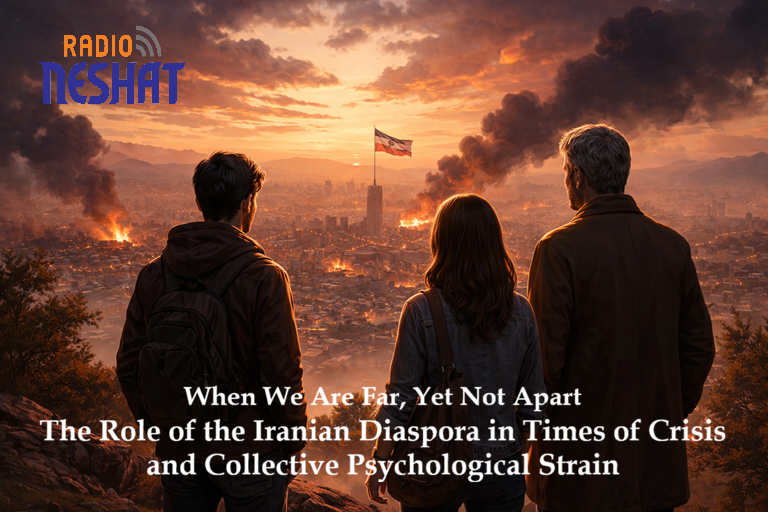
نویسنده: مسعود ظهوری | رادیو نشاط استرالیا
در روزهایی که ایران در التهاب، خشونت و خاموشی خبری فرو رفته، اضطراب تنها در خیابانهای داخل کشور جریان ندارد؛ این فشار روانی، مرزها را پشت سر گذاشته و به خانههای ایرانیان مهاجر در سراسر جهان رسیده است. بسیاری از ایرانیان خارج از کشور با احساسی مشترک دستوپنجه نرم میکنند: خشم، اندوه، بیخوابی، و مهمتر از همه، حس ناتوانی از دور.
این وضعیت، نوعی «فشار روانی جمعی» را شکل داده است؛ سوگی که اغلب بدون تصویر، بدون جسد و بدون امکان خداحافظی تجربه میشود. مهاجران ایرانی هر روز با خبرهایی مواجهاند که گاه تأیید نمیشوند، اما اثر عاطفیشان واقعی و عمیق است. تماسهایی که برقرار نمیشود، پیامهایی که «seen» نمیخورند، و نگرانی دائمی برای خانواده و دوستان، ذهن را در حالت آمادهباش نگه میدارد.
در چنین شرایطی، نخستین نکته مهم این است که این احساسات غیرعادی نیستند. اضطراب، خشم یا حتی حس گناهِ «اینجا بودن» واکنشهایی طبیعی به بحرانی غیرانسانیاند. نادیده گرفتن این فشار روانی، نه نشانه قدرت، بلکه مقدمه فرسودگی است. مراقبت از سلامت روان، گفتوگو با دیگران، و فاصله گرفتن آگاهانه از سیل بیوقفه اخبار، بخشی از مسئولیت فردی ماست.
اما نقش ایرانیان مهاجر تنها به مراقبت از خود محدود نمیشود. در زمانی که صدای داخل کشور با قطع اینترنت و سرکوب خاموش میشود، ایرانیان خارج از کشور به بخشی از «زنجیره روایت» تبدیل میشوند. روایتگری دقیق، مسئولانه و بدون اغراق، یکی از مؤثرترین ابزارهاست. بازنشر آگاهانه اطلاعات، حمایت از رسانههای مستقل، ارتباط با نمایندگان سیاسی، نهادهای حقوق بشری و رسانههای محلی، میتواند فشار بینالمللی را زنده نگه دارد.
همزمان، باید پذیرفت که همه کنشها فوری و نمایشی نیستند. قرار نیست هر ایرانی مهاجر در خیابان باشد یا هر روز بیانیه صادر کند. برخی نقشها آرامتر اما ماندگارترند: نوشتن، مستندسازی، ترجمه، پیگیری حقوقی، یا حتی ایجاد شبکههای حمایتی برای خانوادههای آسیبدیده. اثرگذاری واقعی، اغلب حاصل استمرار است نه واکنشهای هیجانی کوتاهمدت.
در نهایت، مهم است که ایرانیان مهاجر خود را بخشی از یک «ما» بدانند؛ نه تماشاگرانی از دور. بحران ایران فقط یک رویداد سیاسی نیست، بلکه زخمی جمعی است که حافظه یک ملت را درگیر کرده است. مراقبت از خود، همدلی با یکدیگر و کنش آگاهانه، سه ستون اصلی نقشی است که امروز بر دوش ایرانیان خارج از کشور قرار دارد.
شاید نتوانیم همهچیز را تغییر دهیم، اما میتوانیم اجازه ندهیم فراموش شود؛ و گاهی همین، آغاز تغییر است.
یادداشت پایانی:
این یادداشت نه از موضع سیاستگذاری نوشته شده و نه ادعای نمایندگی مردم داخل ایران را دارد. هدف آن، بازتاب بخشی از احساسات مشترک ایرانیان مهاجر و تأکید بر مسئولیت انسانی، رسانهای و روانی ما در روزهایی است که جامعه ایران تحت فشار شدید قرار دارد. هر مسیر تغییر، پیش از هر چیز، از دل مردم داخل کشور میگذرد و نقش ما در بیرون، صرفاً حفظ صدا، روایت و همدلی است؛ نه تصمیمگیری بهجای آنان.
-----------------------
When We Are Far, Yet Not Apart
The Role of the Iranian Diaspora in Times of Crisis and Collective Psychological Strain
When phones stop ringing, messages go unanswered, and fragments of news leak out piece by piece, anxiety crosses borders. Iranian migrants—far from home yet bound to the same wound—carry their hearts in Iran and share a single question: when voices are silenced, what is our share of responsibility?
By Masoud Zohoori | Radio Neshat Australia
In days when Iran is engulfed in turmoil, violence, and an enforced news blackout, anxiety does not remain confined to the country’s streets. This psychological pressure has crossed borders and entered the homes of Iranians around the world. Many in the diaspora grapple with the same emotions: anger, grief, sleeplessness, and above all, a sense of helplessness from afar.
This situation has produced a form of collective psychological strain—a kind of mourning often experienced without images, without bodies, and without the possibility of farewell. Iranian migrants face daily reports that are sometimes unverified, yet their emotional impact is real and profound. Calls that fail to connect, messages left on “seen,” and constant worry for family and friends keep the mind in a permanent state of alert.
In such circumstances, the first crucial point is to recognize that these feelings are not abnormal. Anxiety, anger, or even guilt about “being here” are natural responses to an inhumane crisis. Ignoring this psychological pressure is not a sign of strength; it is a path to exhaustion. Caring for mental health, speaking with others, and consciously stepping back from the relentless flow of news are part of our individual responsibility.
Yet the role of the Iranian diaspora does not end with self-care. When voices inside the country are muted by internet shutdowns and repression, Iranians abroad become part of a chain of testimony. Careful, responsible, and non-exaggerated storytelling is one of the most effective tools available. Thoughtful sharing of information, support for independent media, and engagement with political representatives, human rights organizations, and local media can help sustain international attention and pressure.
At the same time, we must accept that not all forms of action are immediate or performative. Not every Iranian abroad needs to be on the streets or issuing daily statements. Some roles are quieter yet more enduring: writing, documenting, translating, pursuing legal advocacy, or building support networks for affected families. Meaningful impact is often the result of persistence, not short-lived emotional reactions.
Ultimately, it is essential for Iranians abroad to see themselves as part of a collective “we,” not as distant spectators. Iran’s crisis is not merely a political event; it is a collective wound that has entered the memory of a nation. Self-care, mutual empathy, and conscious action form the three pillars of the responsibility that now rests on the shoulders of Iranians outside the country.
We may not be able to change everything—but we can refuse to let it be forgotten. And sometimes, that alone is the beginning of change.
Final Note:
This piece is not written from a policy-making position, nor does it claim to represent the people inside Iran. Its purpose is to reflect a shared emotional reality among Iranian migrants and to emphasize our human, media, and psychological responsibilities in a time of severe pressure on Iranian society. Any path to change must begin with the people inside the country; our role abroad is simply to preserve voice, narrative, and solidarity—not to decide on their behalf.