

از سکوی قهرمانی تا خیابانهای رشت؛ مسعود ذاتپرور و پاسخ گلوله به حقخواهی

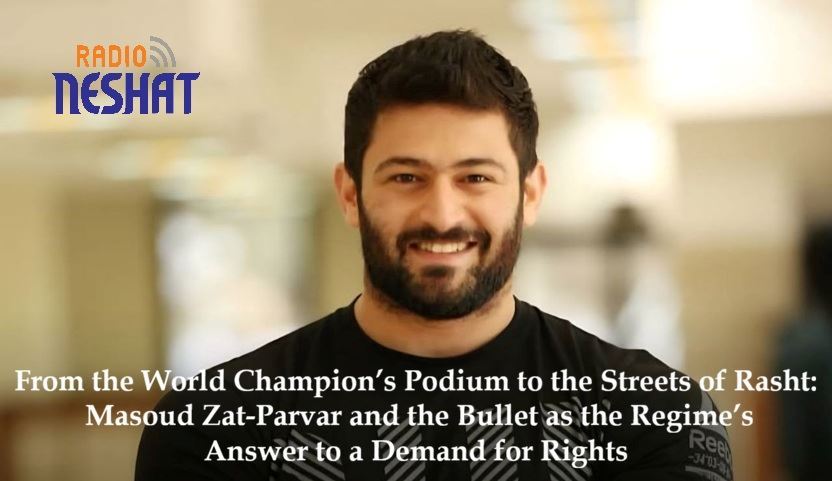
در کشوری که مدال جهانی هم سپر جان نیست، گلوله به زبان حکومت بدل شده است؛ مسعود ذاتپرور، قهرمان بدنسازی جهان، نه در میدان رقابت که در خیابانهای رشت، تنها به جرم مطالبه حق، با شلیک مستقیم کشته شد.
به گزارش رادیو نشاط، مسعود ذاتپرور، قهرمان بدنسازی و چهره خوشنام دنیای پرورشاندام ایران، شامگاه پنجشنبه ۱۸ دی ۱۴۰۴ در جریان اعتراضات مردمی شهر رشت با شلیک گلوله جنگی جان باخت؛ تنها ساعتی پس از آنکه در پیامی کوتاه نوشته بود:
«امروز کف خیابانم. نه ترسی دارم، نه نگرانی. حقم را میخواهم.»
مسعود ذاتپرور که دو عنوان قهرمانی جهان در رشته فیزیک کلاسیک را در کارنامه داشت و بهعنوان مربی، الگوی اخلاق و تلاش برای نسل جوان شناخته میشد، پیش از جانباختن، با واژههایی صریح و بیپرده از نسلی سخن گفته بود که صدایش دههها نادیده گرفته شده است؛ نسلی که از امید، آینده و حداقلهای یک زندگی عادی محروم مانده و حالا ایستادن را ـ آگاهانه ـ به بهای جان انتخاب کرده است.
او در نوشتههایش، اعتراض را نه دشمنی با وطن، که برخاسته از عشق به ایران میدانست؛ اعتراضی علیه فقر، بیعدالتی، مدیریت نادرست و سیاستهایی که جوانان را به بنبست رسانده است. مسعود ذاتپرور بارها تأکید کرده بود که پاسخ مطالبه، نه گلوله است و نه سرکوب؛ بلکه شنیدن، گفتوگو و احترام به کرامت انسانی.
مرگ مسعود ذاتپرور، تنها کشتهشدن یک ورزشکار نبود.
این مرگ، نماد شلیک مستقیم به حقخواهی، شرافت و ایستادگی بود.
بازتاب گسترده این واقعه در شبکههای اجتماعی و واکنشهای پرشمار ورزشکاران، مربیان و چهرههای فرهنگی، بار دیگر نگاهها را به شیوه مواجهه حکومت با اعتراضات مردمی معطوف کرده است؛ مواجههای که در آن، مطالبه حق با گلوله پاسخ داده میشود.
پرسشی که اکنون بیش از هر زمان دیگری تکرار میشود این است:
حکومتی که پاسخ مطالبه را با گلوله میدهد، از چه میترسد؟
--------
From the Champion’s Podium to the Streets of Rasht: Masoud Zat-Parvar and the Bullet as the Answer to a Demand for Rights
In a country where even a world title offers no protection, the bullet has become the language of power. Masoud Zat-Parvar, a world-class bodybuilding champion, was not killed on the competition stage but in the streets of Rasht—shot dead simply for demanding his rights.
According to Radio Neshat, Masoud Zat-Parvar, a respected bodybuilding champion and a well-known figure in Iran’s fitness community, was killed by live ammunition on the evening of Thursday, 18 Dey 1404 (January 2026), during public protests in the city of Rasht—just hours after he wrote in a brief message:
“Today I’m on the streets. I have no fear, no anxiety. I want my rights.”
Zat-Parvar, who held two world titles in classic physique and was widely regarded as a mentor and ethical role model for younger generations, had spoken plainly and without hesitation before his death about a generation whose voice has been silenced for decades—a generation stripped of hope, future, and the basic conditions of a dignified life, and which has now consciously chosen to stand, even at the cost of its life.
In his writings, he described protest not as hostility toward the nation, but as an act born of love for Iran—an objection to poverty, injustice, mismanagement, and policies that have driven young people into a dead end. Masoud Zat-Parvar repeatedly emphasized that the answer to legitimate demands is neither bullets nor repression, but listening, dialogue, and respect for human dignity.
The death of Masoud Zat-Parvar was not merely the killing of an athlete.
It was a symbol of a direct shot fired at justice-seeking, integrity, and resistance.
The widespread reaction to his killing on social media, along with numerous responses from athletes, coaches, and cultural figures, has once again focused attention on how the authorities confront public protest—an approach in which demands for rights are met with gunfire.
The question now being asked more insistently than ever is this:
What does a government fear when it answers a demand for rights with bullets?